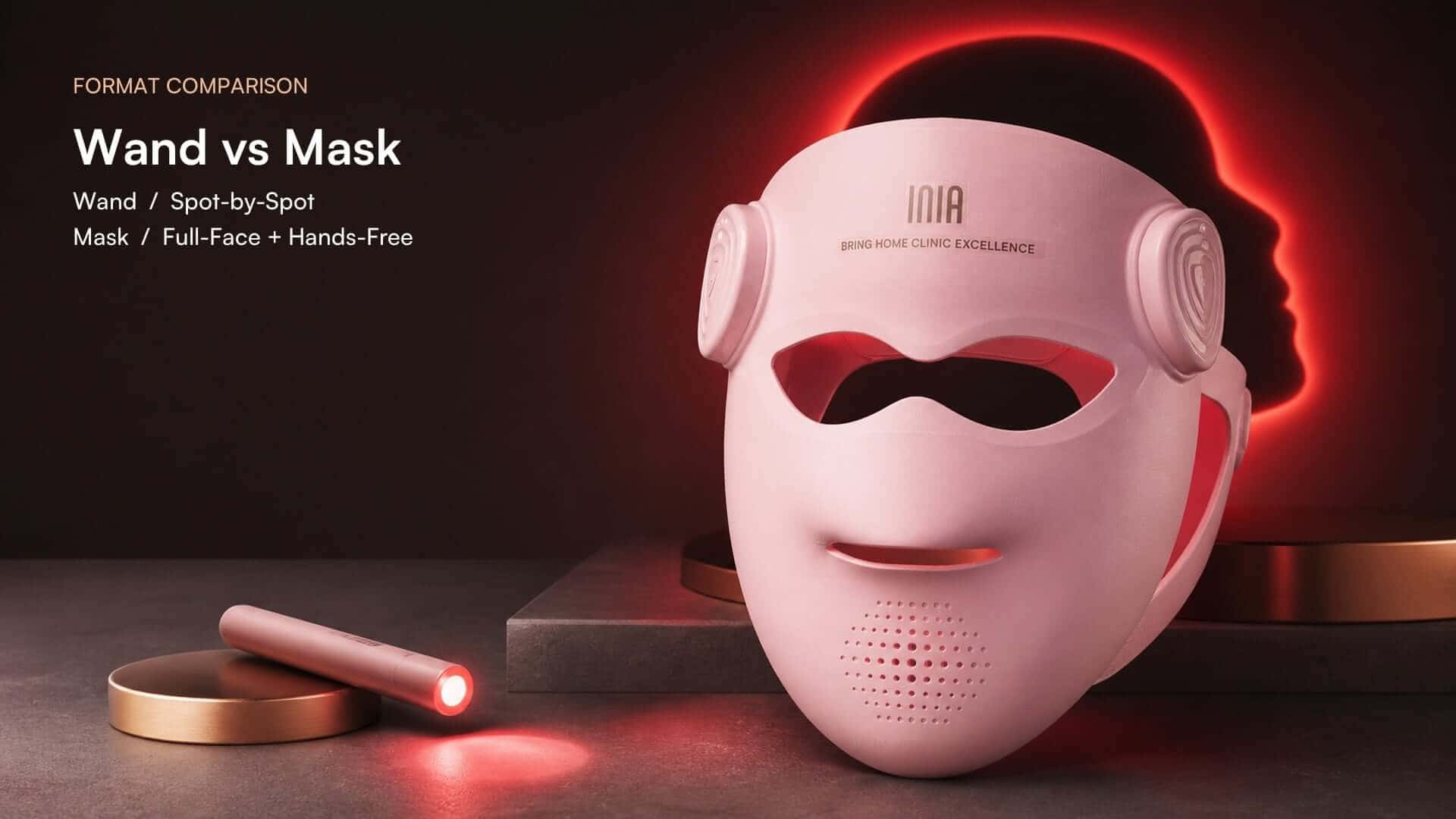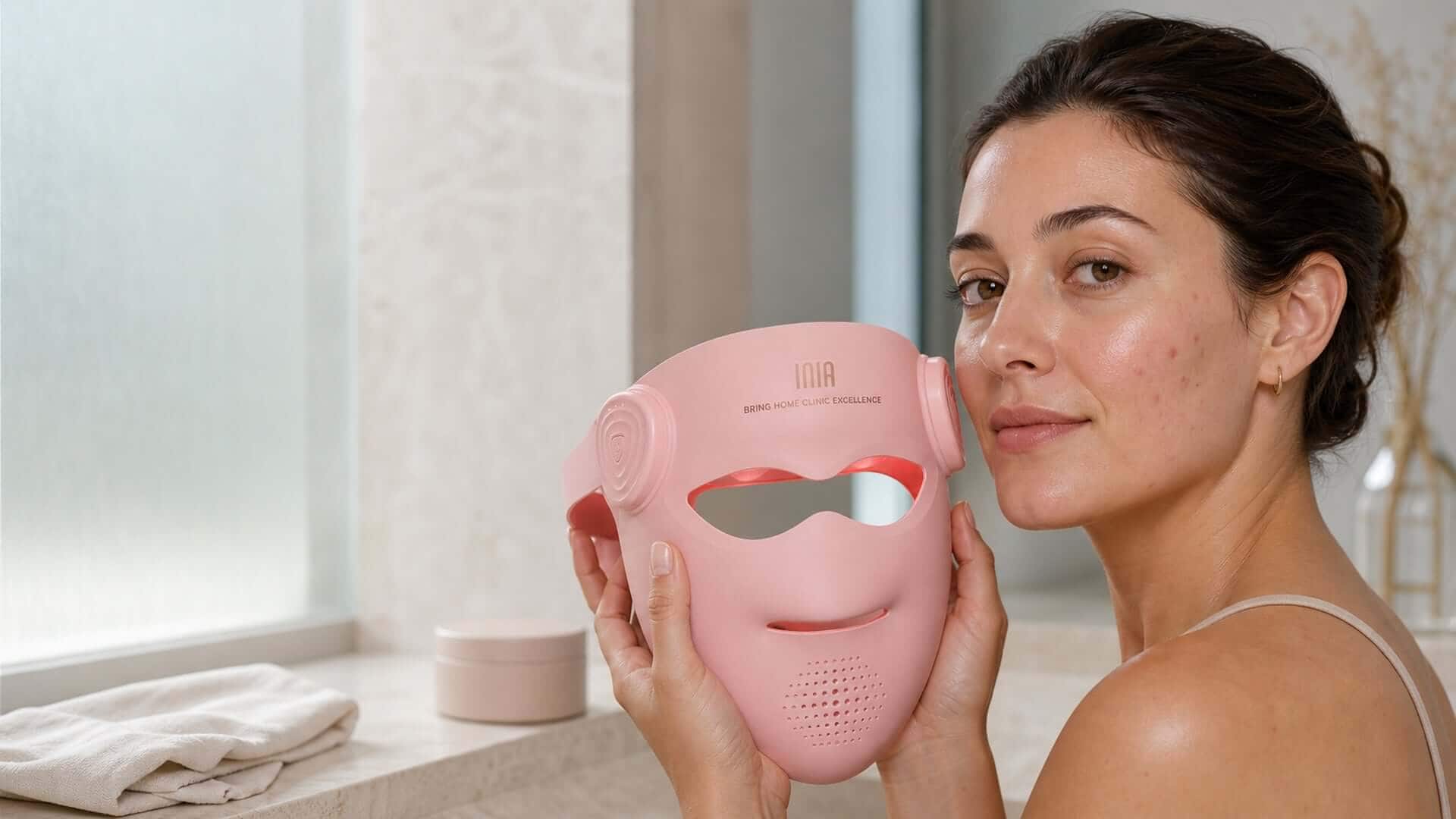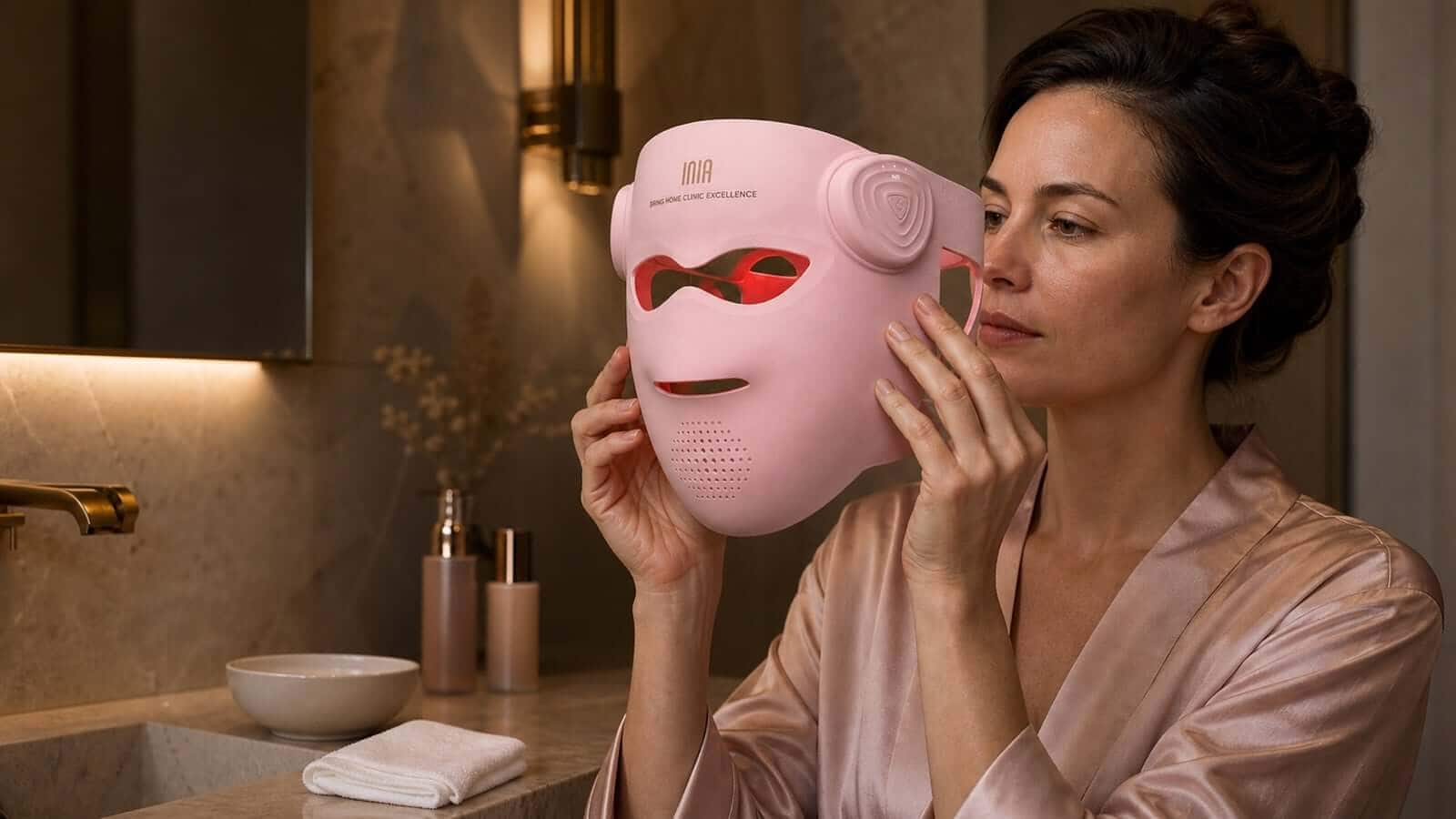


A 2025 randomized, sham-controlled trial found that two weekly sessions appeared sufficient for participant satisfaction, while three did not significantly outperform two on satisfaction or photographic assessments. For GLOW 4D, start with three 10–20-minute sessions per week for four weeks; sensitive or redness-prone skin can begin with two 5–10-minute sessions.
Table of Contents
The Research-Backed Starting Point: 2–3 Sessions per Week
Facial photobiomodulation studies repeatedly used two or three sessions per week over several weeks. The most directly relevant frequency trial compared two weekly sessions with three weekly sessions for four weeks. Both active schedules produced positive findings on selected photographic measures and participant satisfaction, and the researchers found that the additional weekly session did not significantly change the positive results.
That gives home users a useful starting range rather than a vague instruction: begin with three sessions per week if your skin is comfortable, or two sessions per week if you want a gentler start, and keep the schedule consistent for four weeks before increasing it.
| Study | Protocol | Frequency | Study period | What it adds to the guidance |
|---|---|---|---|---|
| 2025 randomized trial | 660 ± 10 nm red LED mask, 21-minute sessions | 2 or 3 times weekly | 4 weeks | Two and three weekly sessions produced positive findings; the number of sessions did not significantly alter the positive results. This supports a 2–3-times-weekly starting range. |
| 2023 facial study | 630 ± 10 nm red LED mask, 12-minute sessions | 2 times weekly | 3 months | Twice-weekly treatment was paired with progressive findings over a longer course, showing why consistency across weeks matters. |
| 2005 split-face trial | Red LED treatment, 20-minute sessions | 3 times weekly | 3 weeks | Three weekly sessions produced subjective and photographic responses, although objective hydration and elasticity measures were not significantly different. |
Turn the Evidence Into One Simple Rule
The studies give the starting rhythm; GLOW 4D supplies the device-specific session length. Keep those roles separate so the routine stays both evidence-informed and easy to execute.
Three sessions per week
Choose three non-consecutive, repeatable GLOW 4D days. A sensitive-skin start can use two days instead.
Repeat for four weeks
Do not change the frequency every few days. A stable first month is easier to follow and evaluate.
Add one day, not extra minutes
If your skin remains comfortable, add a fourth GLOW 4D session while keeping the selected session length unchanged.
Use the schedule you can sustain
Three consistent sessions are more useful than aiming for five and repeatedly missing the plan.
Your GLOW 4D Frequency and Session Time
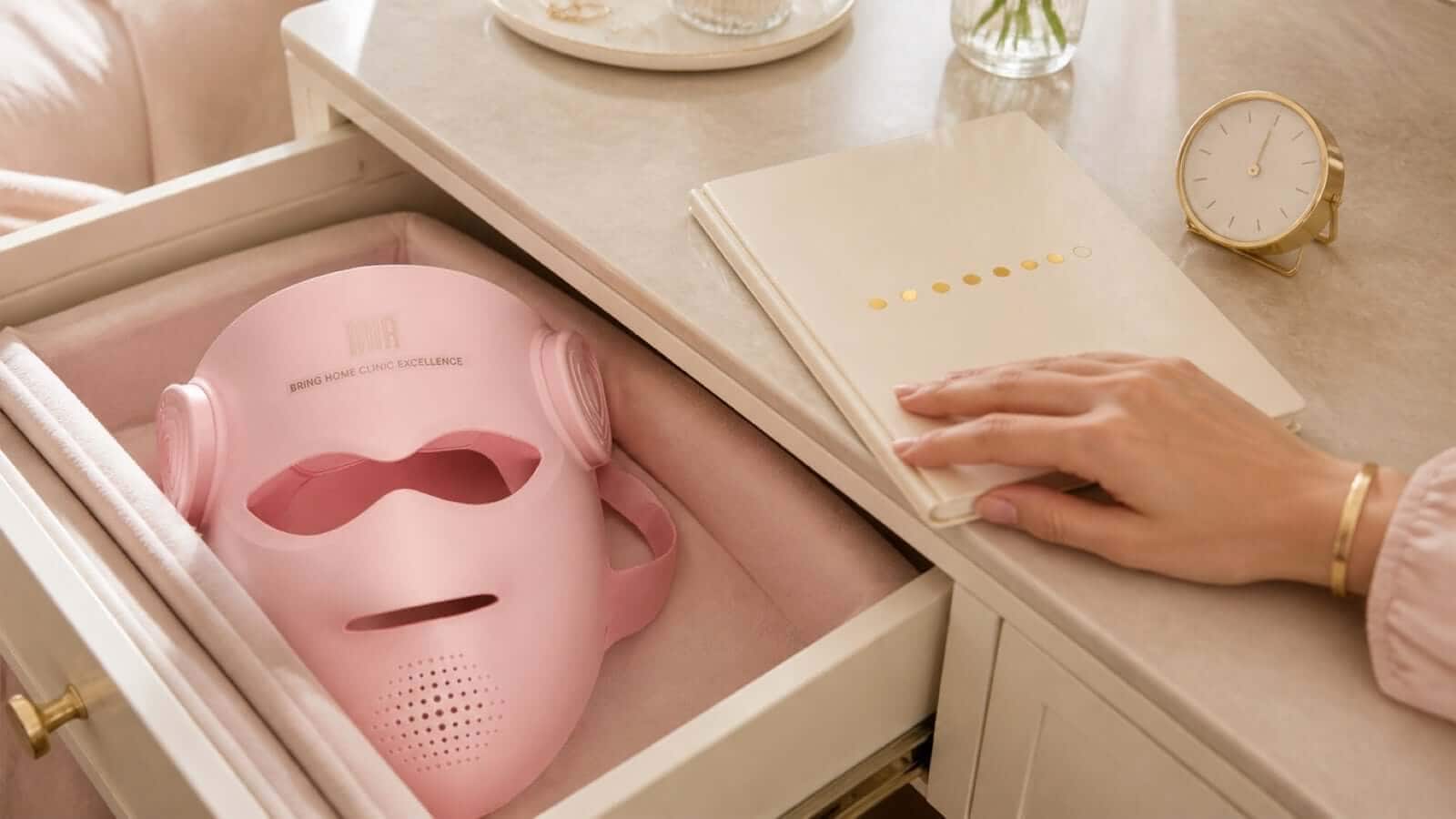
For a model-specific example, INIA GLOW 4D is a wireless inia red light mask. Its current product page suggests 10–20 minutes per session, 3–5 times per week. Follow the instructions for the exact model you use rather than treating one mask's schedule as a rule for every device.
| INIA mask | Weekly frequency | Session time | How to begin |
|---|---|---|---|
| GLOW 4D | 3–5 times per week | 10–20 minutes | Primary plan: start with three sessions and keep the selected mode and session length stable for four weeks. |
| GLOW 4D for sensitive or rosacea-prone skin | 2–3 times per week | 5–10 minutes | Begin at the lower end and increase gradually only while your skin remains comfortable. |
| GLOW Wireless | 3–5 times per week | 10 minutes | Alternative INIA schedule: start with three 10-minute sessions. Use for 2–5 weeks, followed by maintenance as desired. |
A Practical Four-Week GLOW 4D Plan
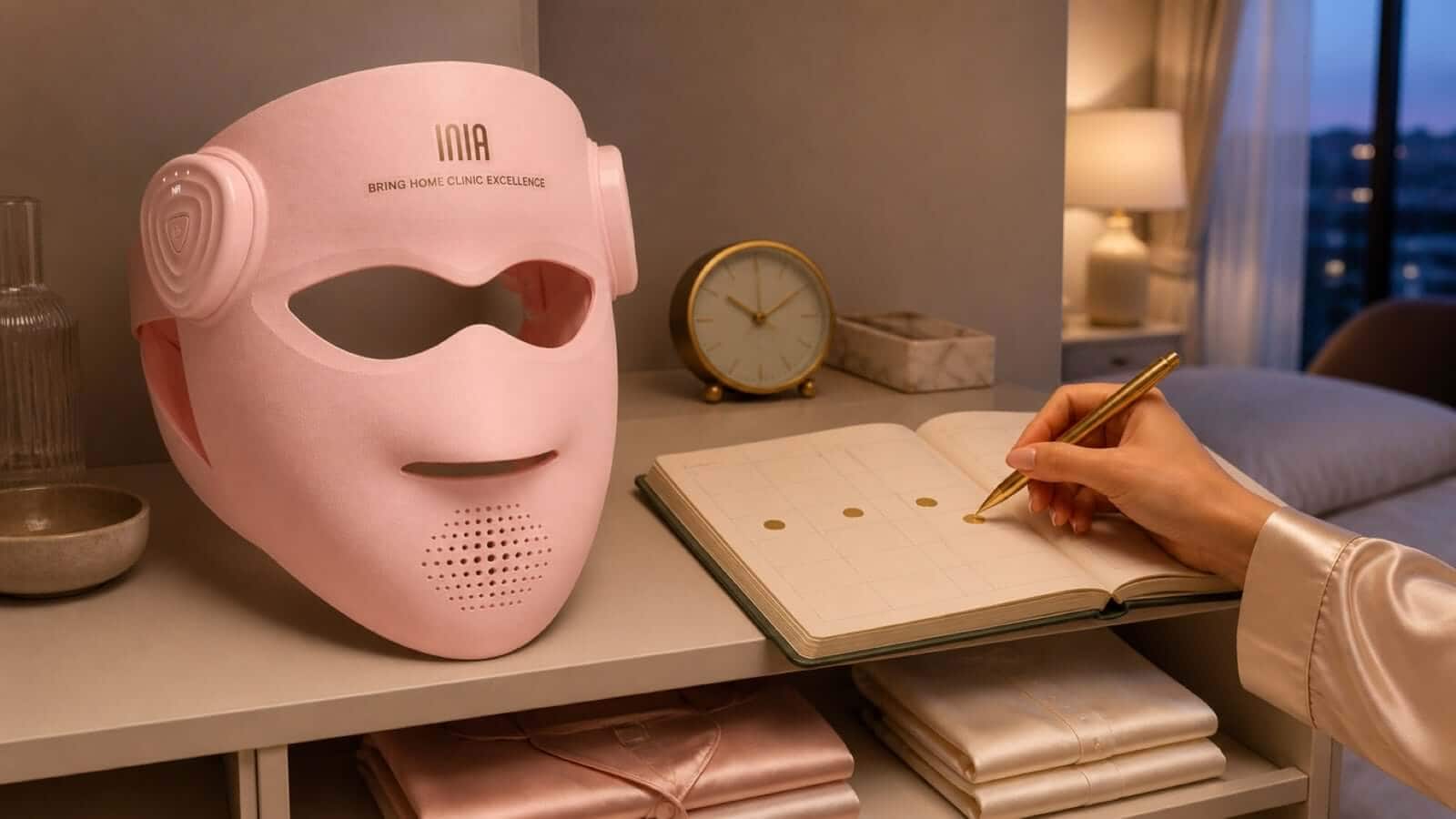
This calendar translates the 2–3-times-weekly research pattern into a repeatable GLOW 4D routine. It is an adherence framework inside the current GLOW 4D range, not a separate clinical protocol.
Choose your three days
Use GLOW 4D on three repeatable days, such as Monday, Wednesday, and Friday. Sensitive or rosacea-prone users can begin with two days and 5–10-minute sessions.
Repeat the same plan
Keep the days, session time, and selected mode stable. Do not add an extra session simply because the first week felt easy.
Keep three sessions
Continue the same schedule so you can judge consistency and comfort without introducing another variable.
Evaluate before increasing
If the routine remains comfortable, stay at three or add one weekly session for the next four-week cycle. Keep the timer unchanged when you add the day.
When to Maintain, Increase, Reduce, or Pause
A useful schedule should tell you what to do next, not only how many boxes to check. Use your product range and your skin’s response together.
| What you notice | Schedule decision | What not to do |
|---|---|---|
| The routine feels comfortable | Maintain the same schedule, or add one day within the product range. | Do not increase days and session time together. |
| You keep missing planned days | Choose fewer, more repeatable days within the allowed range. | Do not use extra-long catch-up sessions. |
| Persistent warmth, tightness, or irritation | Reduce use or pause and review the product guidance. | Do not push through discomfort to complete a weekly target. |
| You changed a strong skincare active | Keep the light schedule stable so you can identify which change affects comfort. | Do not alter the active, mode, timer, and frequency at the same time. |
| You missed one session | Resume on the next planned day. | Do not double up. |
Can You Use a Red Light Therapy Mask Every Day?
Daily use is not the default GLOW 4D schedule. Its current guidance specifies 3–5 sessions per week, so seven weekly sessions are not required.
The facial studies used to build the starting guidance above produced positive findings with two or three weekly sessions. That makes daily use unnecessary as a starting strategy. Use the first four weeks to establish consistency instead of trying to compress more exposure into the week.
When Should You Evaluate Your Routine?
The studies above assessed outcomes over periods ranging from three weeks to three months. That does not create one universal results deadline, but it does show why judging a mask after one or two sessions is not useful.
- During the first two weeks: track whether you completed the planned sessions and whether the routine remained comfortable.
- At four weeks: compare photographs taken in similar lighting, at a similar time of day, and with the same camera position.
- Over the following weeks: continue only within the product schedule and look for trends rather than day-to-day changes.
Do not increase exposure simply because a visible change has not appeared yet. Individual outcomes vary, and longer or more frequent sessions are not automatically more effective.
Why More Light Is Not Automatically Better
Photobiomodulation research describes a biphasic dose response: the biological response can change as the dose rises rather than increasing in a simple straight line. This does not provide one universal overuse threshold for every consumer mask, but it supports a practical rule—stay within the tested schedule for your device instead of assuming that extra time must produce extra benefit.
The American Academy of Dermatology notes that temporary mild pain or irritated skin can occur. Pause if you experience persistent pain, burning, unusual redness, itching, eye discomfort, or excessive warmth, and seek qualified advice when appropriate.
Watch WellnessWithMere’s Promotional Routine Demonstration
About this video: This Instagram post is a promotional demonstration. It can show how a mask fits into a repeatable routine, but it does not establish the right frequency for every device or person.
Use the demonstration for routine context
Notice how the mask is positioned and incorporated into an at-home routine. Use the product instructions and schedule table above for frequency and session length.
If playback fails, open the original WellnessWithMere post.
Start GLOW 4D Three Times per Week for Four Weeks
Facial red light studies repeatedly used two or three weekly sessions, giving home users a practical starting range. With GLOW 4D, start with three 10–20-minute sessions per week and repeat that schedule for four weeks. Sensitive or rosacea-prone users can begin with two 5–10-minute sessions. After the first four weeks, stay at three or add one day within the 3–5-times-weekly range—without increasing session length at the same time.
Frequently Asked Questions
How many times a week should I use a red light therapy mask?
For GLOW 4D, start with three sessions per week for four weeks. If your skin is sensitive or prone to redness, begin with two. After four comfortable weeks, stay at three or add one day within the current 3–5-times-weekly range.
Why do some studies use red light only twice a week?
Twice-weekly facial protocols have produced positive findings when repeated consistently over several weeks. That supports two sessions as a reasonable gentler start, while three sessions remains the standard starting plan for most INIA users.
Is three times a week enough for an INIA mask?
Yes. Three sessions fall within the current 3–5-times-weekly GLOW 4D range and form the complete four-week starting plan in this guide. You do not have to use the maximum five sessions.
Can I use my red light mask every day?
Daily use is not required by the current INIA face-mask schedules. Follow the frequency specified for your mask rather than assuming that seven sessions will work faster.
Should I increase the session time or add another day first?
Change only one variable at a time and stay inside the product guidance. For a new routine, adding one day while keeping session length stable is easier to evaluate than changing both together.
What should I do if I miss a session?
Resume on the next planned day. Do not double the next session, add extra minutes, or stack modes to catch up.
How long should I follow one schedule before changing it?
Keep the starting schedule for four weeks before increasing it. This gives you a consistent period to evaluate comfort and adherence. Any increase must remain within the instructions for your device.
References
- Bragato et al. Role of photobiomodulation application frequency in facial rejuvenation (2025)
- Reverse skin aging signs by red light photobiomodulation (2023)
- A randomized split-face study of red LED facial treatment (2005)
- Biphasic dose response in low level light therapy
- American Academy of Dermatology: Is red light therapy right for your skin?
- INIA GLOW Wireless product page
- INIA GLOW 4D product page
- WellnessWithMere promotional routine demonstration