

If you’re searching for a CurrentBody Series 2 alternative, you’re likely balancing three things: results, safety (especially eyes/heat), and whether the price is justified. The good news: you can choose an LED mask that fits your goals—as long as you compare the right specs (wavelengths, fit/contact, FDA status, and dosing), not just influencer hype.
Part 1. What “Alternative” Really Means Here (And Why This Keyword Is High-Risk)
A true alternative isn’t “anything cheaper.” It’s a device that can reasonably substitute your intended outcome:
- Anti-aging / texture / fine lines: prioritize red (~630–660nm) + near-infrared (commonly ~830nm)
- Acne-focused: prioritize blue (~405–420nm) (often paired with red)
- Sensitive skin / rosacea-prone: prioritize lower heat, better diffusion, and conservative frequency
- Eye-sensitivity concern: prioritize built-in shielding + lower glare + clear safety guidance
Mayo Clinic notes LED masks can help, but results vary and long-term evidence is limited—meaning your “alternative” choice should be driven by credible specs + risk control, not big claims.
Part 2. The “Non-Negotiables” Checklist (Specs That Actually Matter)
Before comparing brands, lock these in:
2.1 Wavelengths: look for “real nm,” not “7 colors”
- Red light: typically 630–660nm is the commonly discussed band for skin rejuvenation (collagen support, inflammation calming).
- Near-infrared (NIR): commonly discussed ~780–850nm for deeper tissue effects; used in broader photobiomodulation research.
2.2 Fit + contact (underrated)
LED masks work best when they sit close and evenly across the face. Poor fit = inconsistent dose (hotspots + dead zones).
2.3 Dosing discipline
Photobiomodulation has a “dose window” concept—too little may do nothing, too much may irritate (especially around eyes/rosacea). Reviews of PBM parameters often discuss “optimal” ranges depending on context and tissue.
2.4 Safety signals
Cleveland Clinic describes red light therapy as generally safe but also emphasizes the evidence base is still developing and depends on use and condition.
Translation: choose devices that make it hard to misuse (timers, conservative protocols, eye protection guidance).
Quick Comparison Table: What to Check Before Buying
What to check | Why it matters | “Green flag” examples |
Wavelengths listed in nm | prevents “pretty lights” marketing | 633nm + 830nm clearly stated |
Timer + consistent session length | reduces overdosing | 10 minutes typical |
Eye shielding / inserts | reduces glare + sensitivity | included eye inserts or clear guidance |
Fit/contact | improves consistency | flexible silicone + secure straps |
Acne needs? | red ≠ acne primary | blue light option if acne is key |
Part 3. CurrentBody Series 2: What You’re Replacing (Baseline Specs)
CurrentBody Series 2 is positioned as a premium silicone mask with three wavelengths:
- 633nm (red)
- 830nm (NIR)
- 1072nm (“deep NIR”)
and 236 bulbs (including a smaller number of 1072nm emitters).
That “deep NIR” piece is exactly why some people look for alternatives: it may be a benefit for some users, but others prioritize minimizing eye/heat sensitivity.
Part 4. Best CurrentBody Series 2 Alternatives (By Use Case)
Below are mainstream substitutes that match the “premium mask” category—and where they differ.
4.1 Closest “like-for-like” competitor: Omnilux Contour Face
Omnilux Contour Face commonly lists:
- 633nm red + 830nm near-infrared
- 10-minute protocol, flexible silicone design; often priced in the premium tier.
Why people pick it as an alternative
- It stays focused on the two most common wavelengths (red + NIR) rather than adding “deep NIR.”
- Strong brand recognition and straightforward protocol.
Who it fits
- You want premium quality and “simple, consistent dosing” rather than multi-mode complexity.
4.2 If acne is a real priority: Shark CryoGlow or Dr. Dennis Gross-style red+blue approach
Shark CryoGlow lists multiple modes and wavelengths, including:
- Red ~630nm
- Infrared ~830nm
- Blue (brand FAQ lists blue; verify exact nm on the product page/FAQ)
Why this category matters
If breakouts are your main goal, blue light is usually the missing piece in red/NIR-only masks.
Who it fits
- You want one device to handle both aging + acne, and you like structured programs.
(Note: Dr. Dennis Gross devices are often cited for red+blue functionality; confirm exact nm and LED counts on official listings before making “spec-based” claims.)
4.3 If comfort + “FDA-cleared positioning” is your priority: HigherDOSE Red Light Face Mask
HigherDOSE markets its mask as FDA-cleared and positions it around hydration/firmness benefits.
Third-party retail listings commonly describe:
- 630nm red + 830nm NIR
- medical-grade silicone (varies by listing; verify via official page if you need legal-grade accuracy).
Who it fits
- You want a premium-feeling mask and prefer simpler wavelength strategy.
Part 5. Reddit Reality Check: What Real Users Worry About
You provided two strong Reddit contexts: (1) eye safety + panels, (2) “splurge vs budget.”
Here are paraphrased patterns that commonly show up in those threads:
- Eye sensitivity isn’t rare—even when eyes are closed.
Several users describe headaches/eye strain or “afterimage” feelings with brighter masks. Many end up adding tanning-style goggles or using eye inserts consistently. - Consistency beats intensity—until it doesn’t.
Multiple people report better tone/texture after 4–8 weeks when they stick to a routine (3–5x/week). But sensitive users say “more often” can backfire (puffiness, redness). - Panels feel more “serious,” but are harder to use safely around the eyes.
Some users prefer panels for versatility (face + body), but also say goggles feel non-negotiable at close range. - “FDA-cleared” gets debated.
Users often confuse cleared vs approved and argue about whether clearance guarantees exact wavelength output. The practical takeaway: if you care about specs, buy from brands with transparent documentation and conservative safety design.
(These points align with typical discussion patterns in r/redlighttherapy and r/30PlusSkinCare based on the threads you shared.)
Part 6. Risks, Misconceptions, and When to Be Extra Cautious
6.1 “More nm” isn’t automatically “better”
Adding additional wavelengths can be useful, but it can also increase complexity and perceived irritation—especially near the eyes.
6.2 Heat can be the hidden trigger (especially pigment + rosacea-prone skin)
Dermatologists have raised concerns that heat from LED masks can worsen pigment issues like melasma in some people.
Practical implication: if you’re pigment-prone, prioritize:
- shorter sessions
- fewer weekly sessions
- cooler environment
- stop if discoloration worsens
6.3 Overdoing red light is a real thing
At-home devices can still cause irritation when misused—Cleveland Clinic and other medical resources emphasize “promising but not fully settled” evidence and the importance of correct use.
Part 7. Choosing a Better Alternative Without Guessing
A lot of “alternatives” fail for one boring reason: they don’t deliver consistent, verified light where it matters. Many cheap “7-color” masks prioritize novelty modes over wavelength accuracy and usable power density.
INIA’s approach is the opposite: avoid RGB-style “cosmetic color stacks” and focus on clinically referenced dual wavelengths.
- Problem: “7-color” masks with vague specs
Why it matters: unclear dose + inconsistent wavelengths
Better standard: defined red + NIR nm with a conservative protocol - Problem: low power density + poor facial contact
Why it matters: you may not reach a meaningful dose window
Better standard: better diffusion + comfortable fit so you can stay consistent
INIA’s own comparison content highlights large differences between typical “7-color” masks and its system, including 630nm red + 850nm NIR and higher stated power density ranges.
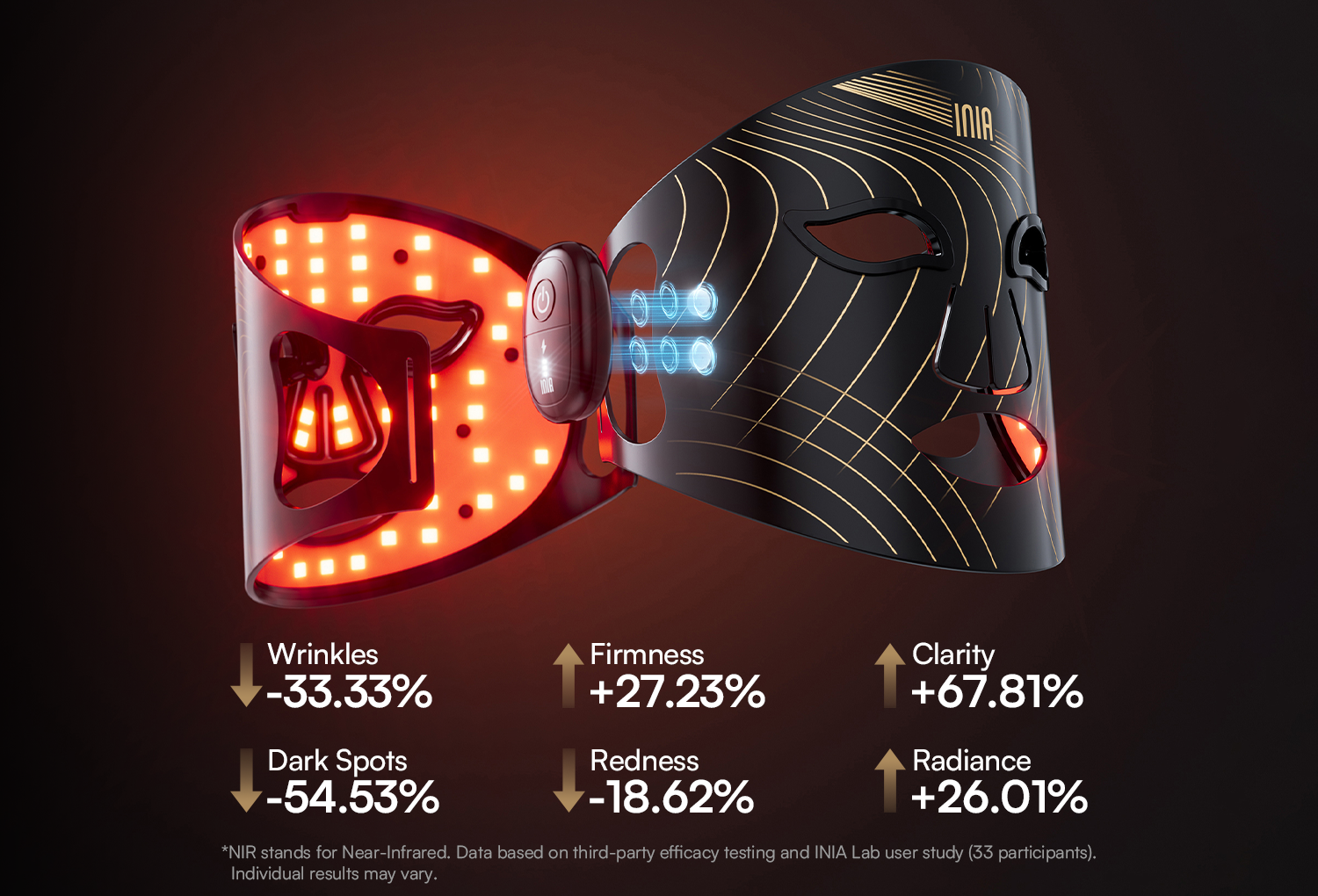
If you’re looking for a premium, minimal-risk alternative that stays wavelength-focused, the INIA ecosystem is designed around that philosophy:
- red light therapy mask (INIA GLOW Wireless Red Light Therapy Mask): https://theinia.com/products/inia-red-light-therapy-mask-for-face
- Neck aging often gets ignored in “face mask only” routines—INIA also pairs this approach with the INIA GLOW Neck & Chest device (useful if your concern is “face looks better than neck”).
Who this is for (and who it isn’t):
- Better fit if: you want simple wavelengths, a routine you can actually follow, and you dislike “multi-color gimmicks.”
- Not ideal if: your main need is acne, and you specifically want blue light built in (you might prefer a red+blue device category).
FAQ
1) Is the CurrentBody Series 2 worth it?
It can be—if you value the three-wavelength design and you tolerate it well. If you’re eye-sensitive or want simpler dosing, a 2-wavelength mask (red + NIR) can be a smarter alternative.
2) Is CurrentBody Series 2 safe?
LED masks are generally considered low-risk when used correctly, but individual sensitivity varies—especially around eyes and pigment. Follow device guidance and stop if you get persistent irritation.
3) Do I need eye protection with NIR light?
Many users choose goggles or inserts, especially with panels or very bright masks. If you feel discomfort, light sensitivity, or headaches, eye protection is a reasonable safety step.
4) Is Omnilux better than CurrentBody?
Not universally. They differ in wavelength strategy and design. Omnilux emphasizes 633 + 830, while CurrentBody Series 2 adds 1072 as “deep NIR.” Choose based on your tolerance and goals.
5) Can I use an LED mask every day?
Some brands market daily use, but more frequent isn’t always better—especially if you get redness, puffiness, or pigment flare. Many people do well with 3–5x/week and reassess.
6) What’s the downside of red light therapy masks?
Potential downsides include irritation from overuse, heat-related flares (especially pigment), and eye discomfort if used improperly. Long-term studies are still limited.
7) What’s the difference between 830nm and 850nm NIR?
They’re in the same commonly discussed NIR band used in photobiomodulation research; practical differences depend more on dose delivered, fit/contact, and protocol than a tiny wavelength shift.
8) Are cheaper LED masks “just as good”?
Sometimes people see improvements with cheaper masks, but the risk is unknown output + poor fit + inconsistent dosing. If you’re buying for long-term routine use, transparency and safety design matter.
References
- Cleveland Clinic — Red Light Therapy: Benefits, Side Effects & Uses — https://my.clevelandclinic.org/health/articles/22114-red-light-therapy
- Mayo Clinic Press — LED Face Masks – Skip, Save or Splurge? — https://mcpress.mayoclinic.org/women-health/led-face-masks-skip-save-or-splurge/
- Healthline — Red Light Therapy: Uses, Benefits, and Risks — https://www.healthline.com/health/red-light-therapy
- Healthline — LED Light Therapy for Skin: What to Know — https://www.healthline.com/health/beauty-skin-care/led-light-therapy
- NIH / PubMed Central — Review of light parameters and photobiomodulation efficacy — https://pmc.ncbi.nlm.nih.gov/articles/PMC8355782/
- NIH / PubMed Central — Photobiomodulation use in ophthalmology (overview) — https://pmc.ncbi.nlm.nih.gov/articles/PMC11358123/
- CurrentBody (official listing) — Series 2 wavelengths — https://us.currentbody.com/products/currentbody-skin-led-light-therapy-mask
- Amazon listing (spec detail) — 236 bulbs breakdown — https://www.amazon.com/CurrentBody-Skin-Light-Therapy-Mask/dp/B0DHRW819R
- Omnilux (official listing) — Contour Face — https://omniluxled.com/products/omnilux-contour-face
- HigherDOSE (official listing) — Red Light Face Mask — https://higherdose.com/products/higherdose-red-light-face-mask
- SharkNinja (official listing/FAQ) — CryoGlow wavelengths — https://www.sharkninja.com/shark-cryoglow-red-blue-infrared-iqled-face-mask-under-eye-cooling---blue-frost/FW312.html
- INIA — 7 Color LED Light Therapy Chart (comparison) — https://theinia.com/a/blog/7-color-led-light-therapy-chart
- INIA — Red Light Panel vs Mask (mask positioning) — https://theinia.com/a/blog/red-light-panel-vs-mask
- Reddit user experiences (r/30PlusSkinCare, r/redlighttherapy) (no link, per SOP)