

EMS (electrical muscle stimulation) rarely burns the skin, but it can — usually when the pads are dry, contact is patchy, or the intensity is too high. The U.S. Food and Drug Administration has received reports of shocks, burns, and irritation linked to some EMS devices, though these are uncommon and largely preventable. Correct skin prep, full electrode contact, and sensible intensity remove most of the risk. If your skin is already sore, blistered, or burned, stop using the device and see a healthcare professional.
Part 1. How EMS Can Cause a Burn
EMS works by sending pulsed electrical current through electrodes to make your muscles contract. With most consumer devices, the pulsed current makes true burns rare — but the current has to enter your skin evenly to stay safe.
When contact is uneven, the current concentrates on small points instead of spreading out. That concentration can raise the local skin temperature and irritate or, in rare cases, burn the surface.
- Dry or worn-out pads that don't conduct evenly
- Air gaps where the electrode doesn't sit flush
- Intensity set higher than your skin needs
- Using it on broken, very dry, or already-irritated skin
💡 Tip: Treat even, full-surface contact as the most important safety step — more important than the intensity number. A well-contacted electrode at a moderate level is safer than a poorly contacted one at a low level.
Part 2. The Biggest Risk Factor: Dry Pads and Poor Contact
Low moisture is the single most common cause of that sharp, "shocking" or burning sensation. Dry electrodes can't spread the current across the whole pad, so it bites at the edges.
To keep contact even and safe:
- Wash and dry your skin before applying the electrodes, then moisten the pads or skin exactly as the manual instructs.
- Press each pad down fully so there are no lifted edges or air pockets.
- Clip (don't shave) heavy hair in the contact area if it stops the pad sticking.
- Replace pads or panels once they stop adhering well.
🗣️ Verified INIA buyer review: "Though I followed the instructions explicitly, adding water, making sure it was on my skin, there was very little felt."
This shows the other side of the same issue: poor contact can make stimulation feel too weak or too sharp, depending on where the current lands. Consistent, full contact fixes both.
💡 Tip: If one spot feels noticeably hotter or sharper than the rest of the pad, stop and re-seat the electrode. A single hot point almost always means uneven contact, not that you need a higher setting.
Part 3. Setting Intensity Safely
More intensity is not more results — past the point of a comfortable, visible muscle contraction, you're just adding risk. Pain is a stop signal, not a goal.
| What you feel | What to do |
|---|---|
| Comfortable tightening or twitch | Fine — this is the working range |
| Buzzing that's strong but not painful | Hold here; don't chase a higher level |
| Sharp sting or a hot spot | Lower the intensity or stop and check contact |
| Pain, or skin feels like it's burning | Stop immediately and inspect your skin |
💡 Tip: Start every session at the lowest level and raise it one step at a time. Your tolerance changes with hydration, skin temperature, and the area being treated, so yesterday's setting isn't always safe today.
Part 4. Skin Prep and Session Checklist
A consistent routine keeps every session in the safe zone.
| Before | During | After |
|---|---|---|
| Clean and dry skin | Start low, raise slowly | Remove pads gently |
| Moisten pads per the manual | Watch for hot spots | Check skin for lasting redness |
| Check pads adhere fully | Stop if anything stings | Store pads as directed |
| Never use on broken skin | Keep within the timer | Let skin rest between sessions |
Following the manufacturer's timer and intensity guidance matters — longer and stronger is where most problems start.
Part 5. Normal Redness vs a Burn — Know the Difference
Some skin reaction is expected; some is a warning. A light pinkness under the pad that fades within about an hour after you remove it is generally considered normal.
⚠️ Important: Stop using the device and seek medical care if you have blistering, redness or soreness that lasts well beyond an hour, broken skin, or any sensation that the skin was burned. Do not self-treat a suspected burn beyond basic first aid — have a healthcare professional assess it, especially if you're worried about scarring. Do not resume EMS until the skin has fully healed.
If a particular mode or area caused the problem, note it so you can describe it to a clinician and to the device's customer support team.
Using a Wearable EMS Device Safely: INIA CURVIFY
INIA designs the INIA CURVIFY as a non-invasive, wearable EMS device for the glutes and lower body. As with any EMS product, safe results come from correct setup rather than maximum intensity.
- Start at the lowest level and increase only to a comfortable contraction.
- Make sure the panels sit flush against clean skin, moistened per the instructions.
- Keep within the recommended session time, and stop if anything feels sharp or hot.
Shop INIA CURVIFY on theinia.com
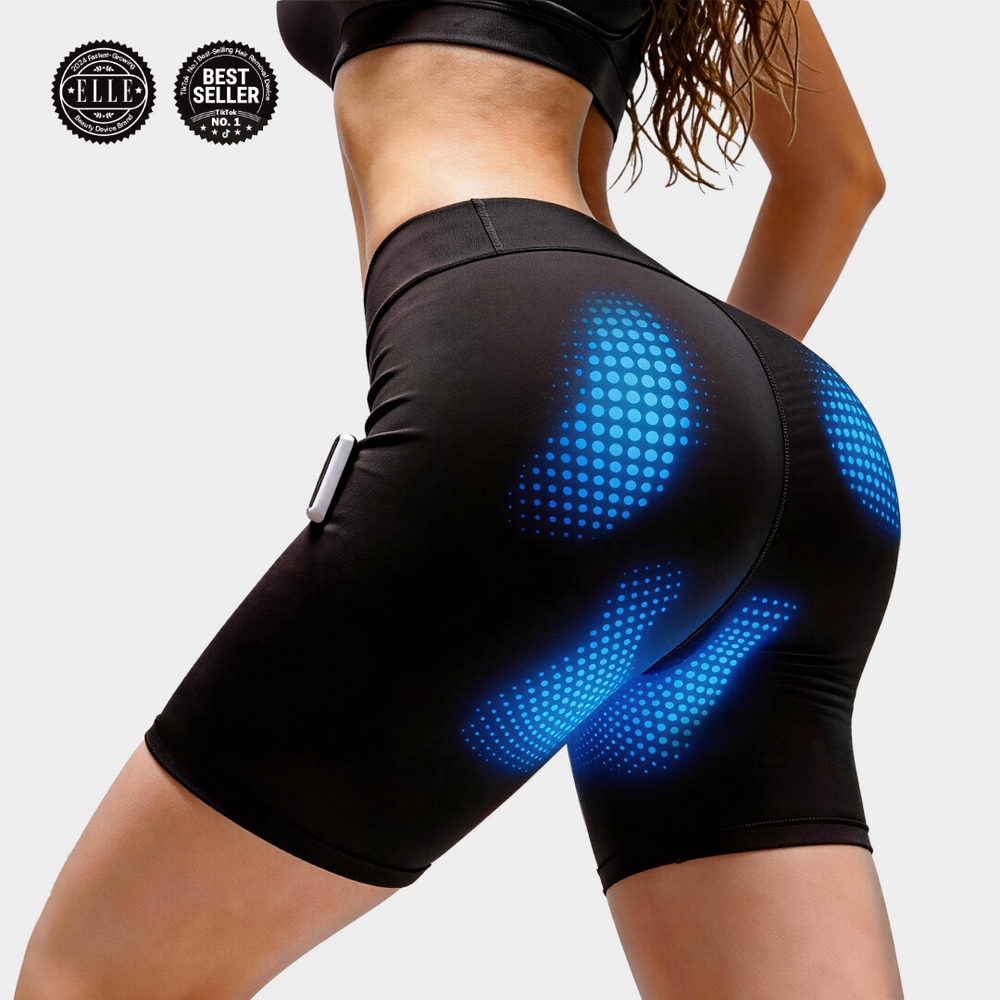
Step 1 — Clean and dry the area, then position the EMS panels flush against the skin.
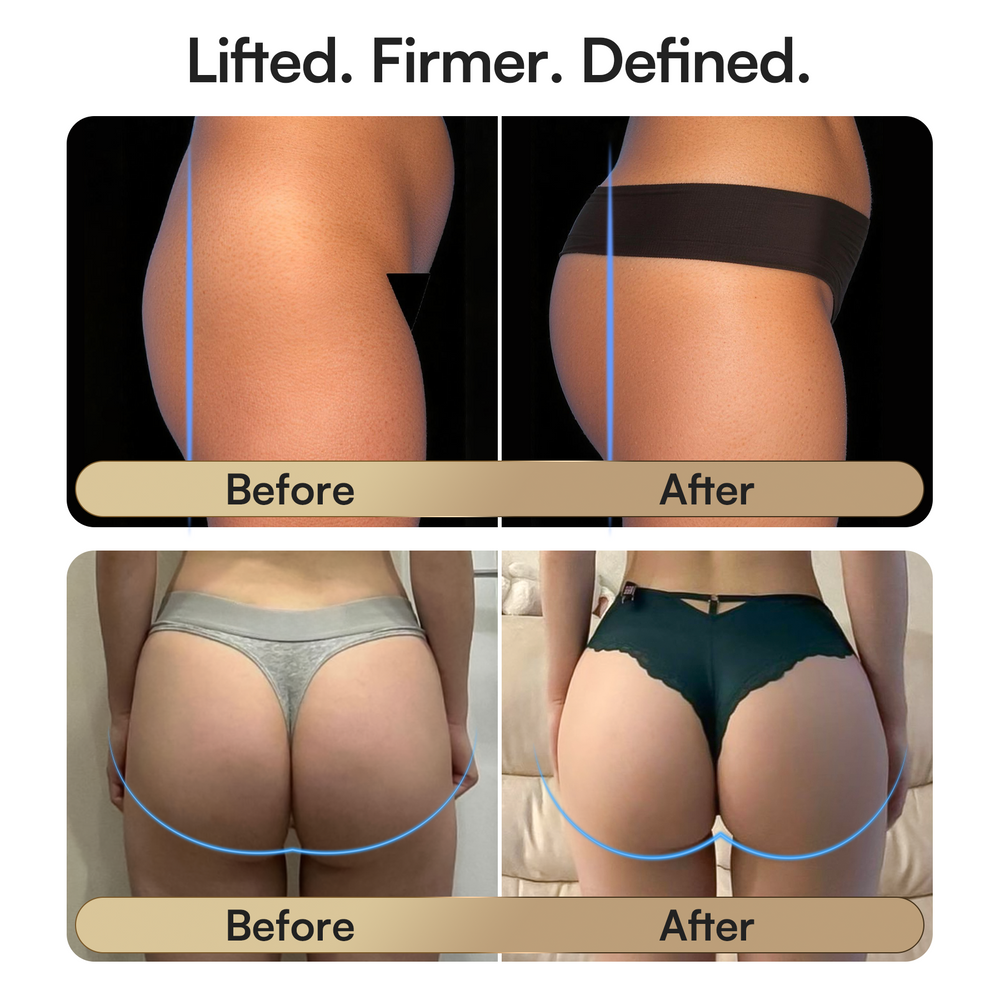
Step 2 — Begin at the lowest intensity and raise it gradually to a comfortable muscle contraction.
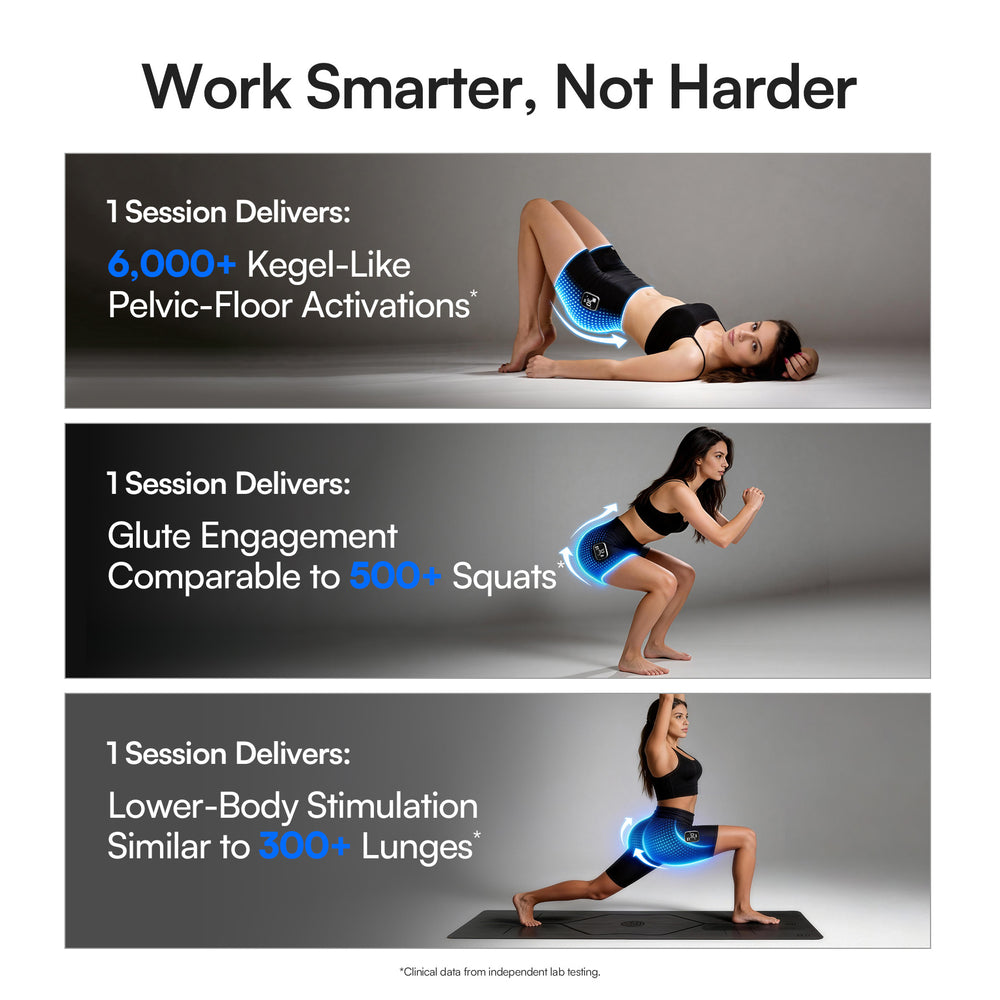
Step 3 — Finish within the recommended time, remove the device, and check your skin.
Frequently Asked Questions
Can EMS really burn your skin?
It can, but it's uncommon with the pulsed current used in most consumer EMS devices. Burns and irritation are usually linked to dry pads, poor electrode contact, or excessive intensity rather than the technology itself.
Why does my EMS device sting or feel like it's burning?
The most frequent cause is low moisture or uneven pad contact, which concentrates the current at small points. Re-wet and re-seat the pads, and lower the intensity if the sharp feeling continues.
Is redness after using EMS normal?
Light redness under the electrodes that fades within about an hour is generally considered normal. Redness, soreness, or blistering that lasts longer is not, and you should stop and have it checked.
What intensity is safe for EMS?
A level that produces a comfortable, visible muscle contraction without pain. Going higher doesn't improve results and increases the risk of irritation.
Should I use water or gel with my EMS device?
Follow your device's manual — some require moistening with water, others use gel pads. Using it dry when the instructions call for moisture is a common cause of that burning sensation.
What should I do if I think EMS burned my skin?
Stop using the device and have a healthcare professional assess the area, particularly if there's blistering or you're concerned about scarring. Don't resume EMS until the skin has fully healed, and report the issue to the manufacturer.