

A little tingling during a microcurrent session is common, but numbness — especially across the temple or side of your head — usually means something is off. Most often the intensity is too high, the conductive gel has dried out, or you're gliding over a bony, nerve-dense area. With true microcurrent at the right level, many people feel almost nothing at all. Persistent numbness is your cue to adjust the settings, and to stop and ask a professional if it doesn't settle.
Part 1. Tingling vs Numbness: What Each Sensation Means
Not every sensation means the same thing. A faint buzz is usually fine; numbness and pain are signals to change something.
| What you feel | Likely meaning | What to do |
|---|---|---|
| Faint tingle or buzz | Sensory nerves reacting; often fine | Continue if comfortable |
| Strong prickling | Intensity a bit high or gel thinning | Lower intensity, add gel |
| Numbness | Overstimulation for that area | Stop the pass, reduce intensity |
| Pain | Too strong for you | Stop and reassess |
Many guides note that with correctly applied microcurrent, you may feel very little — so "stronger" sensations are not a sign it's "working better."
🗣️ Verified INIA buyer review: "It's very strong to the point it hurts no matter what mode."
💡 Tip: Treat any twitch, sharp prickle, or numb patch as a "turn it down" signal. Comfort, not intensity, is the marker of a correctly set session.
Part 2. Why the Temple and Side of the Head Feel It More
The temple and the side of the head are some of the most sensitive places to run a device. The tissue there is thin, it sits close to bone, and the area is rich in nerves — so the same setting that feels fine on your cheek can feel much stronger there.
Multi-modal devices that combine microcurrent with RF or EMS can feel more intense in these spots, too, because more energy is being delivered.
🗣️ Verified INIA buyer review: "It was making the side of my head go numb."
For bony, nerve-dense zones like the temples:
- Lower the intensity before you reach that area.
- Keep the device moving — don't linger or hold it in one place.
- Skip the temple entirely if numbness keeps appearing there.
💡 Tip: Map your face into zones and use a lower setting on the forehead, temples, and jaw hinge than you do on the fleshier cheeks. One intensity rarely suits every part of the face.
Part 3. The Fixes: Gel, Intensity, and Technique
Most numbness and tingling traces back to three fixable causes. Address them in order.
| Cause | Fix |
|---|---|
| Intensity too high | Drop to the lowest level, raise slowly |
| Too little gel | Apply a thick, even layer |
| Gel dried or absorbed | Re-apply area by area as you go |
| Lingering on one spot | Keep gliding; don't pause on bone |
Premature gel absorption is a sneaky one — the current feels fine at first, then turns sharp as the area dries. Working one small section at a time keeps the surface slick.
💡 Tip: If the sensation starts mid-session, stop and re-glide a fresh layer of gel rather than powering through. A dry electrode is the most common reason a comfortable session suddenly turns prickly or numb.
Part 4. When Numbness Is a Red Flag
Most tingling fades within minutes and most numbness disappears once you lower the intensity. Some symptoms, though, deserve more caution.
⚠️ Important: Stop using the device and consult a healthcare professional if numbness lasts well after a session, spreads, or comes with facial weakness, drooping, or muscle twitching that won't settle. This is especially important if you have any known nerve condition. Lingering numbness is not a normal "result" and should be assessed before you continue.
When in doubt, pausing for a day and seeking advice is always the safer choice.
Getting a Comfortable Session With INIA
INIA devices have adjustable intensity so you can find a comfortable level rather than enduring a fixed one. The INIA FLARE is a facial microcurrent device, while the INIA SPHERA is multi-modal and includes Smart Sense technology that only activates the device on direct skin contact.
Whichever you use, the comfort rules are the same: start low, use plenty of gel, and ease off on bony areas like the temples.
Shop INIA microcurrent devices on theinia.com
Step 1 — Cleanse, then apply a generous, even layer of conductive gel to one section of your face.
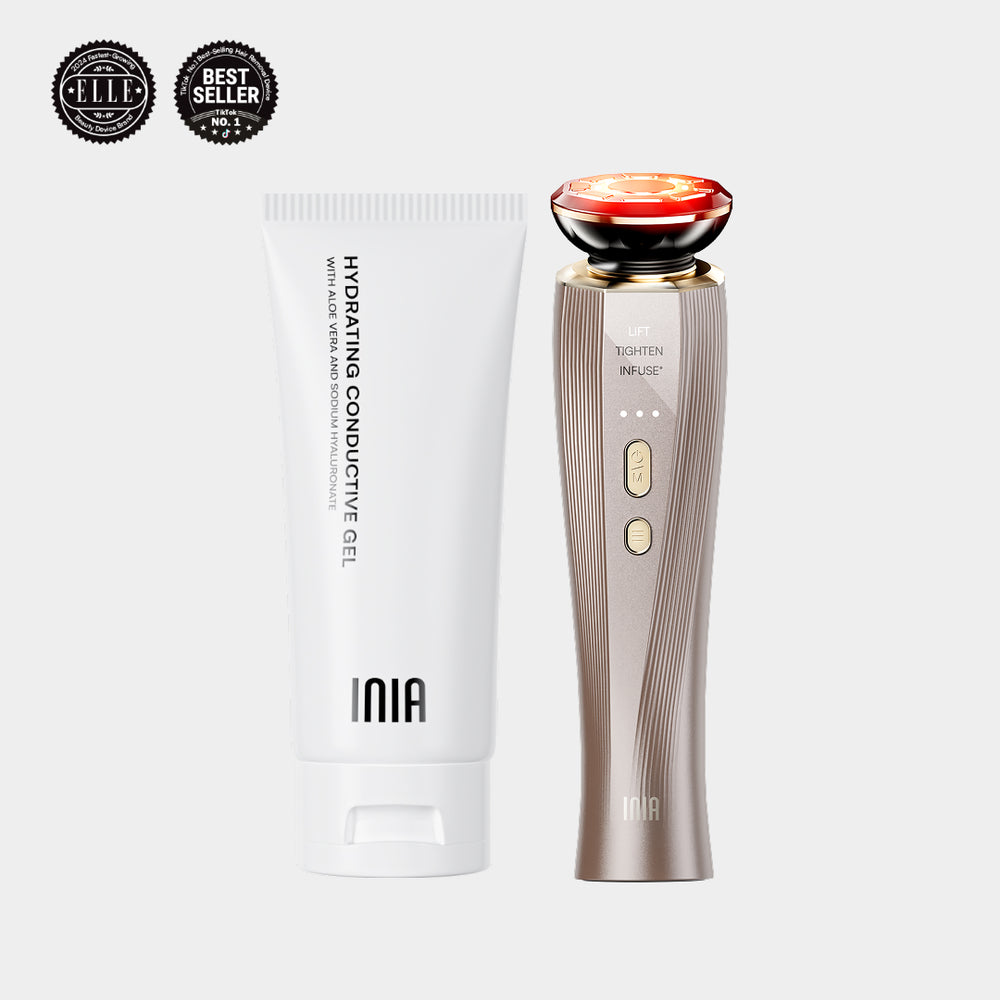
Step 2 — Start at the lowest intensity and glide slowly, lowering the level further near the temples.

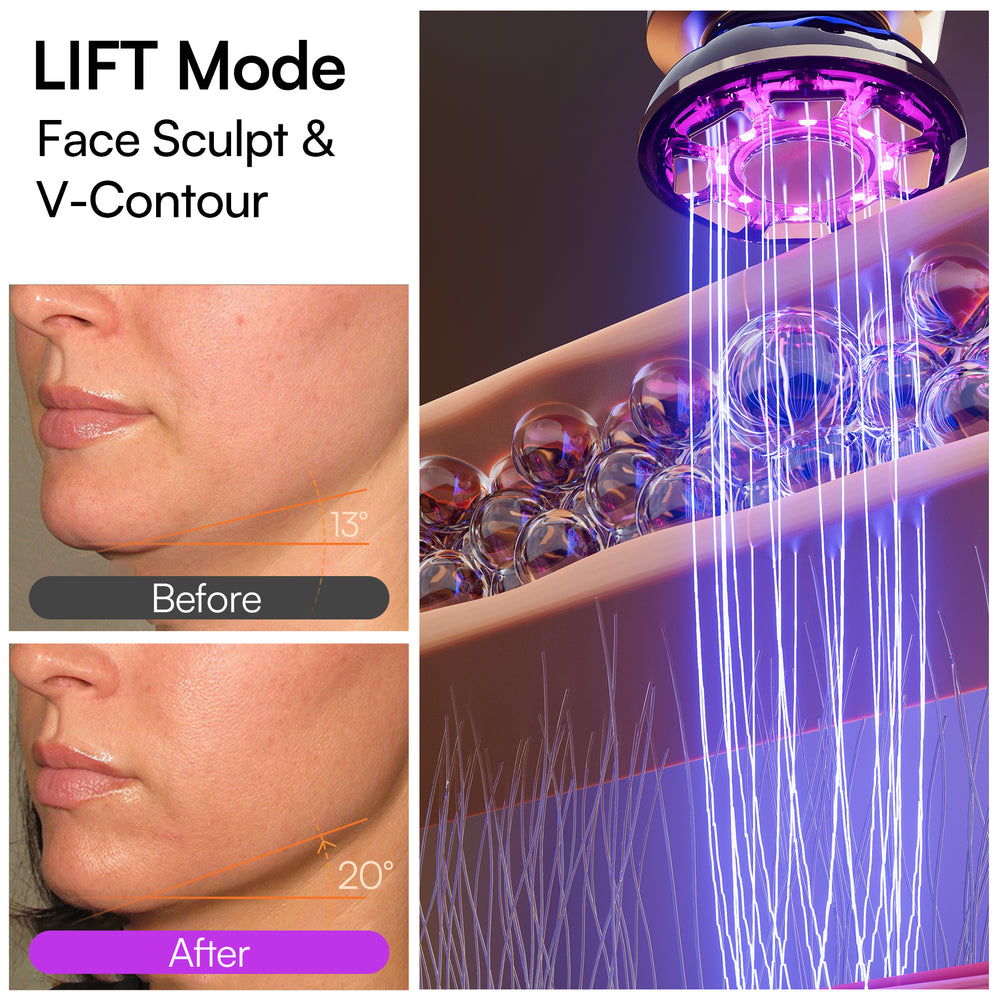
Step 3 — Re-apply gel as you move to a new area, and stop if any spot feels numb or sharp.
Frequently Asked Questions
Is tingling normal with a microcurrent device?
A faint buzz or tingle is common and usually harmless. A strong prickle, numbness, or pain means the intensity is too high or the gel has thinned, and you should adjust.
Why does microcurrent make the side of my head go numb?
The temple area is thin, close to bone, and nerve-dense, so it feels stimulation more strongly. Lower the intensity there, keep the device moving, or avoid the temple if numbness keeps happening.
Should a microcurrent facial hurt?
No. A correctly set session should feel comfortable — often you barely feel it. Pain is a signal to lower the intensity or stop.
How do I stop the tingling sensation?
Turn the intensity down and apply more conductive gel, working one small area at a time so it doesn't dry out. These two changes resolve most tingling.
Can microcurrent damage facial nerves?
At-home microcurrent devices are generally considered very safe when used as directed. If you ever notice lasting numbness, facial weakness, or drooping, stop and see a healthcare professional, particularly if you have a nerve condition.
Why do I feel nothing at all on some settings?
That can be completely normal — true microcurrent is often barely perceptible. As long as you're using gel and following the instructions, feeling little doesn't mean it isn't working.